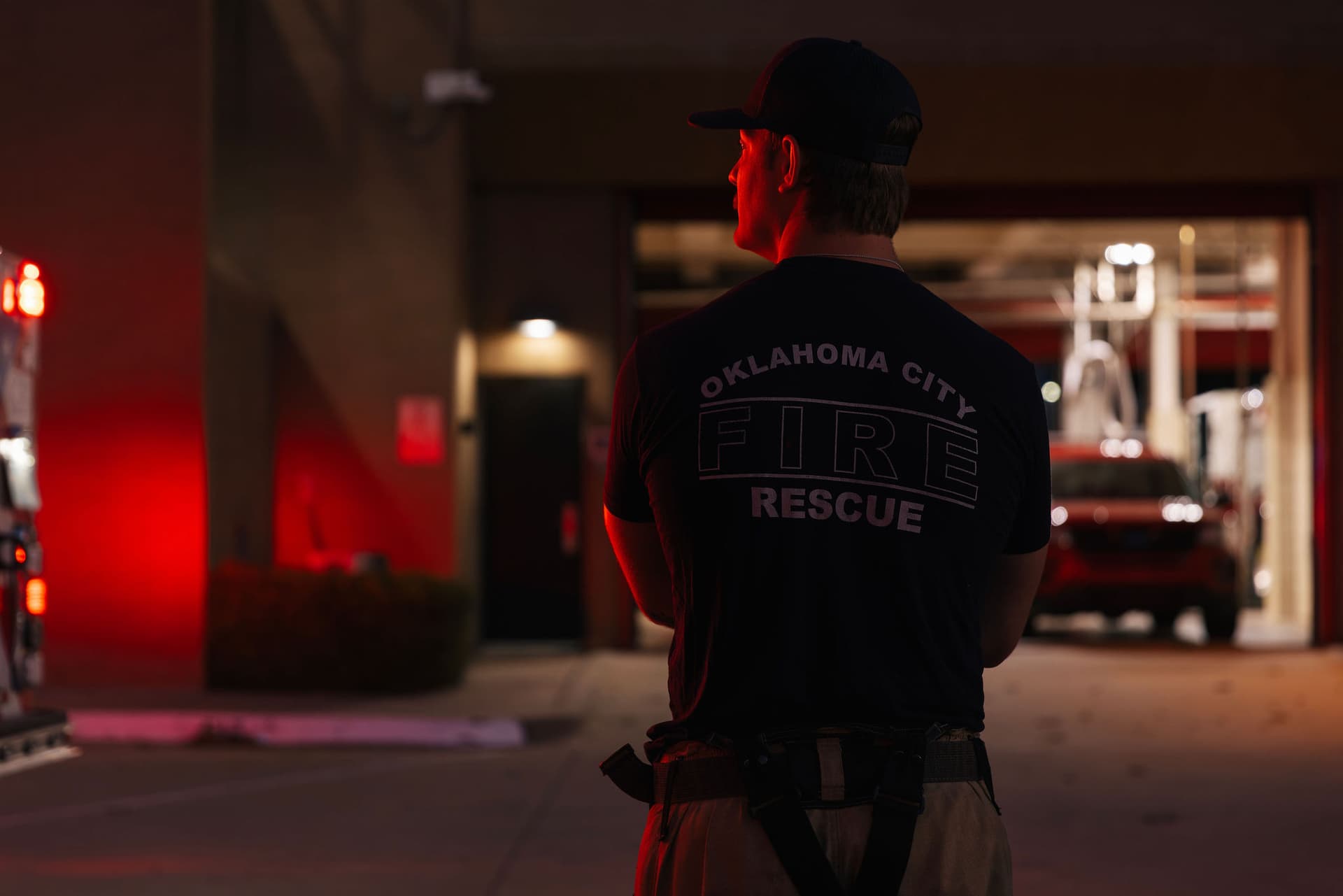
Firefighters and EMS professionals absorb daily trauma that would break most people. RECON-nect gives you a confidential space to process, recover, and stay in the fight.

First responders don’t just witness trauma — they move through it, decision by decision, call after call. Secondary traumatic stress is cumulative and compounding. Compassion fatigue sets in quietly, long before it’s recognized.
EMS professionals often receive the least support of any first responder group. Station culture creates social barriers. Shift schedules make appointments impossible. And unlike law enforcement or military, there are few formalized peer support structures in most fire and EMS organizations.
Indirect trauma from witnessing or responding to others’ suffering. Builds cumulatively over a career without obvious triggering events — which makes it harder to identify and easier to dismiss.
Psychological damage from doing things — or failing to prevent things — that violate deeply held moral beliefs. Common after pediatric calls, mass casualty events, and unsuccessful resuscitations.
The gradual erosion of empathy through constant exposure to human suffering. Often misread as burnout or attitude problems — and rarely addressed before it ends careers.
Check in before a run, process after a difficult call — no scheduling, no waiting, no office visit required.
No one at the station ever needs to know you’re using RECON-nect. Zero employer visibility. No mandatory reporting. Your wellness is nobody’s business but yours.
Calibrated specifically for first responder trauma patterns — secondary traumatic stress, moral injury, compassion fatigue. Not generic mental health content.
Connect with trained peer support professionals from fire and EMS backgrounds. People who know what a bad pediatric call does to you — because they’ve been there.
Free for firefighters, paramedics, EMTs, and dispatchers. Download or help fund access for underserved departments.